
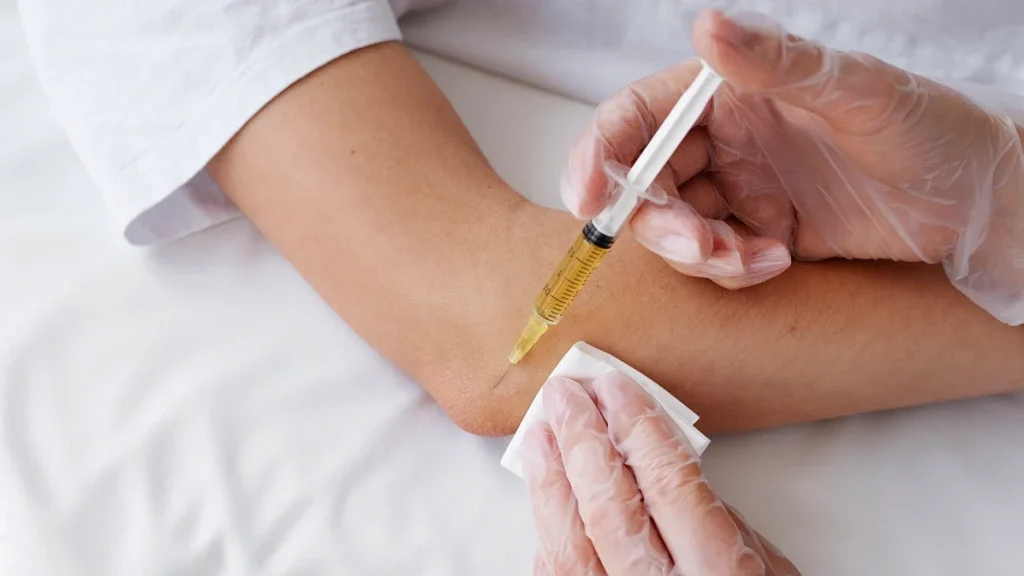
Noticing more hair in your brush, a widening part, or gradual thinning can raise questions about your hair’s health. Several factors can contribute to hair loss, and understanding the cause is important before selecting a treatment. PRP Injections Evansville IN services are one option people may explore when considering platelet-rich plasma for certain hair restoration goals.
At Glow Aesthetic Medicine & Wellness, patients can learn about aesthetic and hair restoration services and discuss their concerns with a provider. PRP is not suitable for every type of hair loss, so a personalized assessment is an important starting point.
What Is Platelet-Rich Plasma?
Platelet-rich plasma, commonly called PRP, is prepared from a sample of a person’s own blood. The sample is processed to concentrate platelets in a portion of plasma. Platelets contain signaling substances involved in the body’s normal healing processes.
In a PRP procedure, the prepared material is administered to a selected area according to the treatment plan. When PRP is used for hair restoration, it is generally injected into targeted areas of the scalp.
Researchers continue to study how PRP may influence hair growth and follicle activity. Outcomes vary, and the treatment should not be presented as a guaranteed solution for hair loss.
How Is PRP Used for Hair Restoration?
PRP has been investigated as a treatment for certain types of hair thinning, particularly some forms of nonscarring hair loss. The proposed approach involves delivering platelet-derived growth factors and other signaling substances to the scalp.
However, hair loss has many possible causes. Genetic pattern hair loss, hormonal changes, nutritional deficiencies, medical conditions, medication effects, and inflammatory scalp disorders may require different approaches.
Before proceeding, a provider should consider your hair loss pattern, medical history, scalp condition, and previous treatments. A medical evaluation may be necessary to identify the underlying cause.
What Happens During a PRP Appointment?
The process depends on the provider’s protocol, but a PRP appointment commonly involves several stages.
1. Initial Assessment
Your provider reviews your concerns, medical history, medications, and treatment goals. They may assess the pattern and extent of thinning and determine whether further medical evaluation is appropriate.
2. Blood Collection
A small blood sample is collected using standard clinical procedures. Tell your provider if you have a history of fainting during blood draws, bleeding concerns, or other relevant medical issues.
3. PRP Preparation
The blood sample is processed using a designated system to separate and concentrate the platelet-rich portion. Preparation procedures and the characteristics of the resulting product can vary.
4. Administration
The prepared PRP is injected into selected scalp areas according to the treatment plan. Temporary tenderness, redness, swelling, or bruising may occur.
Your provider should explain the expected appointment length, aftercare, possible side effects, and the proposed schedule before treatment begins.
What Results Can You Expect?
PRP results are not immediate. If the treatment is effective for your particular type of hair loss, changes may develop gradually over several months.
Some people may notice changes in hair shedding or density, while others experience limited improvement. The strength of the evidence varies by condition and treatment protocol, and not everyone responds.
Your provider may recommend a series of treatments and periodic assessments. Ask how progress will be measured, when results should be reviewed, and what alternatives are available if improvement is limited.
Be cautious of claims that promise guaranteed regrowth, a fixed number of new hairs, or permanent results for every patient.
Who May Be a Candidate for PRP?
Suitability depends on the cause of hair loss, the condition of the scalp, general health, and other factors.
A consultation may be useful for people experiencing gradual thinning who want to explore nonsurgical options. However, PRP may not be appropriate for certain medical conditions or some forms of hair loss.
People with sudden or patchy hair loss, scalp pain, significant itching, or visible inflammation should seek medical evaluation before pursuing cosmetic hair restoration. These symptoms may indicate an underlying condition that requires specific treatment.
PRP vs. Hair Transplant Procedures
PRP and hair transplantation are different approaches.
PRP involves using processed blood components in an attempt to support hair growth in appropriate candidates. It does not transplant hair follicles from one part of the scalp to another.
Hair transplantation involves moving hair follicles from a donor area to areas affected by thinning or hair loss. It requires a separate assessment of candidacy, donor hair availability, expected outcomes, and surgical risks.
Glow also offers hair restoration treatments. A consultation can help clarify which services are available and whether they align with your individual situation.
Can PRP Be Combined with Other Hair Loss Treatments?
In some cases, PRP may be discussed alongside other treatments, but the combination should be based on the cause of hair loss and the available evidence.
Depending on the diagnosis, a clinician may discuss established medical therapies, treatment of nutritional deficiencies, or other appropriate interventions. Avoid stopping prescribed hair loss medication or adding new treatments without professional guidance.
A useful treatment plan should define the goal, expected timeline, costs, possible risks, and criteria for assessing progress.
Preparing for Your Consultation in Evansville
Before an appointment, consider documenting when the hair loss began, whether it is progressing, and whether you have noticed changes in your scalp or overall health. Bring a list of medications and supplements and mention any previous treatments.
Ask your provider about the type of hair loss PRP may address, the evidence supporting its use, the number of sessions proposed, and the cost of ongoing care.
The purpose of the consultation is not simply to select a procedure. It is to determine whether the treatment is appropriate and whether another medical or hair restoration approach may better meet your needs.
Frequently Asked Questions
What are PRP injections used for in hair restoration?
PRP has been studied for certain forms of hair thinning. Its effectiveness varies, and suitability depends on the cause of hair loss and the treatment protocol.
How many PRP sessions are needed?
Treatment schedules vary by provider and individual needs. Your provider should explain the proposed number of sessions and when progress will be assessed.
Is PRP a permanent solution for hair loss?
PRP is not guaranteed to produce permanent hair growth. Results vary, and ongoing maintenance or other treatments may be discussed.
Does PRP work for every type of hair loss?
No. Different causes of hair loss require different approaches. Sudden, patchy, or inflammatory hair loss should be medically evaluated before cosmetic treatment.
How does PRP differ from a hair transplant?
PRP uses a prepared component of your own blood, while a transplant moves hair follicles from a donor area to another area. The two procedures have different purposes and candidacy requirements.